Hardee County, Florida
Garage door repair in Bowling Green, FL
Garage door repair and replacement in Bowling Green, FL starts with what stopped working: a spring, a cable, the track or the opener. Half the homes in Bowling Green were built before 1977 (Census ACS 2019–2023). Bowling Green averages 5 days a year with a low at or below 32°F (NOAA 1991–2020 normals).
Call (866) 332-1030 to schedule a visitCalls may be recorded. Describing the problem commits you to nothing.
What stopped working?
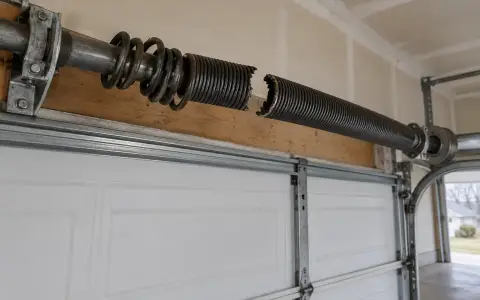 Broken spring
 Snapped cable
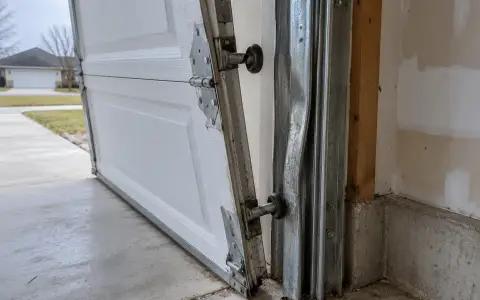 Off track
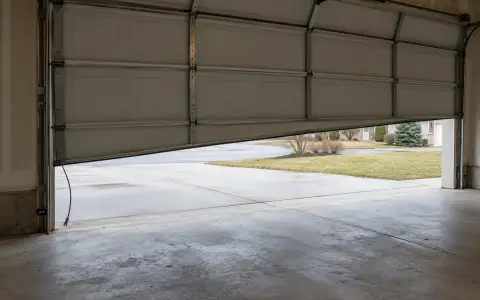
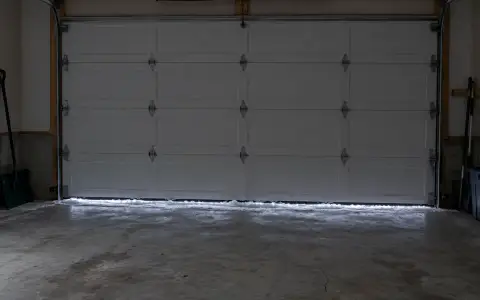 Won't open
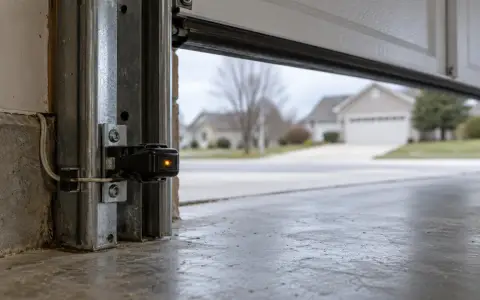 Won't close
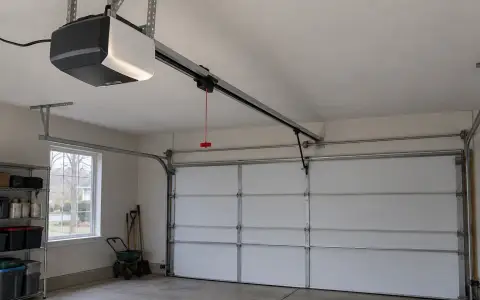 Opener runs, door doesn't
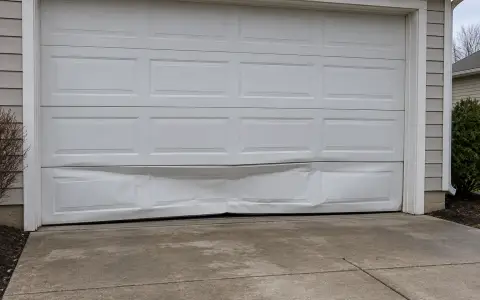 Car hit the door
What is different about Bowling Green
These come from public data about Bowling Green and from the rules that apply here. Each one names its source.
Openers older than the safety rule
In Bowling Green, half the homes went up before 1977, so an opener original to the house can be older than the federal rules. Since January 1, 1991 an opener made for sale has had to reverse when it touches something, and since 1993 it has also needed an external safeguard, usually a pair of photo-eye sensors a few inches off the floor. No sensors by the floor means an older opener: do the reverse test first.
Source: U.S. Census Bureau, American Community Survey 2019–2023 5-year estimates; CPSC Publication 523, non-reversing automatic garage door openers
Who has a garage door
Detached houses make up most of the homes in Bowling Green, a place of 717 households, and a detached house is the one that usually has a garage door of its own. Manufactured homes make up some of the rest, and those rarely have a sectional door.
Source: U.S. Census Bureau, American Community Survey 2019–2023 5-year estimates
Mild winters
The nights drop to 32°F or below on 5 days a year in Bowling Green, on average, at the nearest NOAA climate normals station, about 6 miles away. In a freeze, the rubber seal along the bottom of a door can stick to the floor; free it before blaming the opener.
Humid summers
Bowling Green has an average July dew point of 73°F, humid enough that steel springs, cables and hinges stay damp through the summer. Rust on the spring coils is the thing to watch, and a wood door may swell and rub in the track.
Source: PRISM Climate Group, 1991–2020 normals, July mean dew point
Who licenses the work in Florida
Florida offers a statewide garage door installation specialty license. The state describes it as voluntary: a statewide license a contractor "may obtain instead of acquiring a local specialty license." Where a contractor holds no state license, the county or city decides what local license is needed, so check both the state registry and the local one. Under the state rule, such a contractor may run the low-voltage wiring for door sensors; other electrical work goes to a licensed electrician.
Look up a license with the Department of Business and Professional Regulation (DBPR)
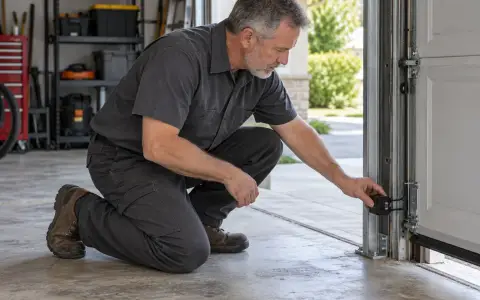
What you will be asked
- The door: sectional panels or one solid piece, one car wide or two, and roughly how old.
- The name on the opener’s motor housing, and roughly how old it is.
- Whether the door is open or closed right now, and whether a car is inside.
The line takes calls about repair, replacement and installation of garage doors and openers in Bowling Green, from owners and renters, at homes and commercial buildings. It does not take calls about buying parts, doors on box trucks or trailers, or a price over the phone without a visit; the price is named after someone has seen the door.
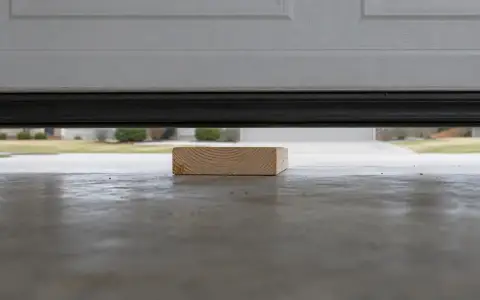 Reverse test
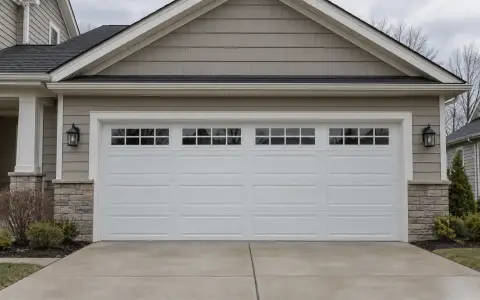 Door replacement
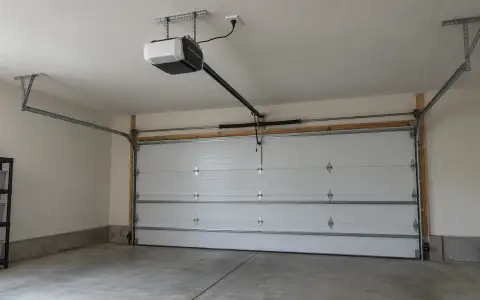 Opener replacement
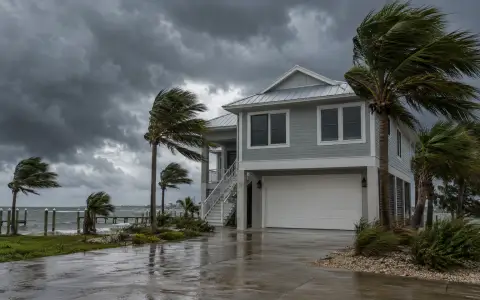 Wind-rated doors
 Before you call
Garage doors in Bowling Green: questions
How old are the garage doors and openers in Bowling Green?
Older than the safety rules, in many houses: half the homes in Bowling Green went up before 1977. An opener with no photo-eye sensors near the floor was made before the 1993 rule, and that is the opener to replace first.
Does cold weather affect garage doors in Bowling Green?
Rarely. Bowling Green averages 5 days a year at or below 32°F, so most calls here are springs, cables and openers rather than frozen seals.